


I have just returned to Edinburgh after two and a half weeks in Southeast Asia.
It was a holiday with my daughter, Holly. Not the lying-on-a-beach version. More the walking-until-your-feet-complain version. Temples, markets, boats, street corners, and long conversations with people who live inside the systems we usually talk about from a distance.
I also arrived there already tired. The trip followed a hard work sprint through Q4 2025, the kind that leaves your nervous system running a little too hot even when you finally stop.
Somewhere between Singapore, Cambodia, and Vietnam, the holiday became something else too.
An anthropological field trip, with IBD as the lens.
Not in a grandiose way. In the simple sense that travel lets you see variables, not just scenery.
1. Arrival: displacement as data
We left the Scottish winter and landed in Singapore into heat, humidity, and immediate sensory density.
The shock to the system was not just jet lag. It was the body noticing before the brain catches up. Temperature changes how you breathe. Air conditioning changes your sleep. Noise and light set a tempo. Food availability is different, not only in what exists, but in how constant it is.
I arrived tired, overstimulated, and immediately aware that my body was reading the environment before my mind had words for it.
Travel strips away the illusion that our baseline is universal. If a change in environment can alter how you feel within 24 hours, it is worth asking what a lifetime of environmental mismatch does to a gut that is already prone to inflammation.
Not as a slogan. As a prompt.
2. Three countries, three systems
Singapore, Cambodia, and Vietnam sit close together on the map. They do not feel like they live inside the same operating system.
Singapore is an outlier. It is almost a perfected social experiment in dense urban living. It has to be, because the population is roughly Scotland’s, compressed into a tiny space.
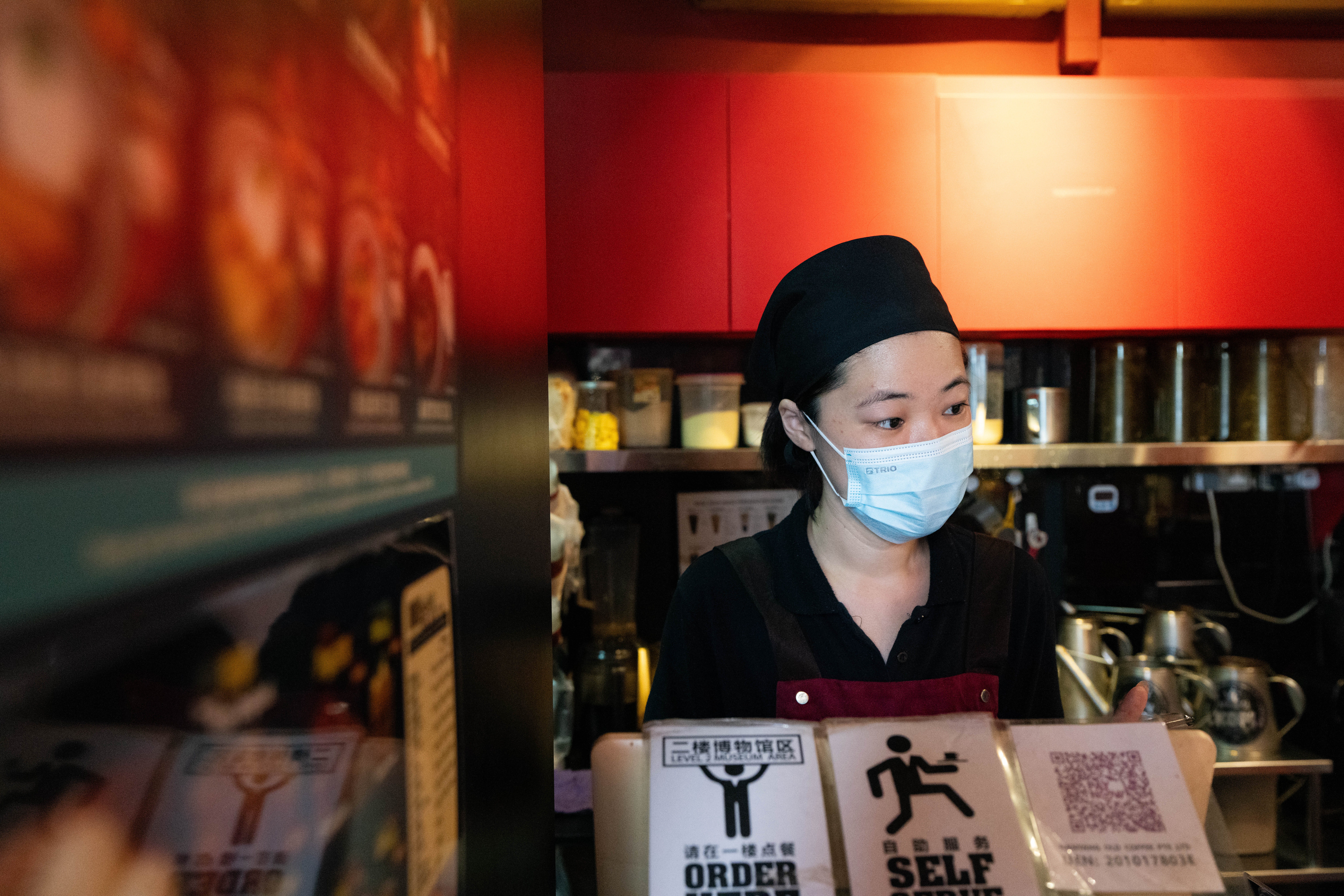
It is extraordinarily organised, efficient, rule-bound. There is a sense of trust in the system, and a low tolerance for things that erode it. Hawker culture is still, for many, genuinely good food at scale. And obesity is strikingly uncommon. It is genuinely unusual to see fat people.
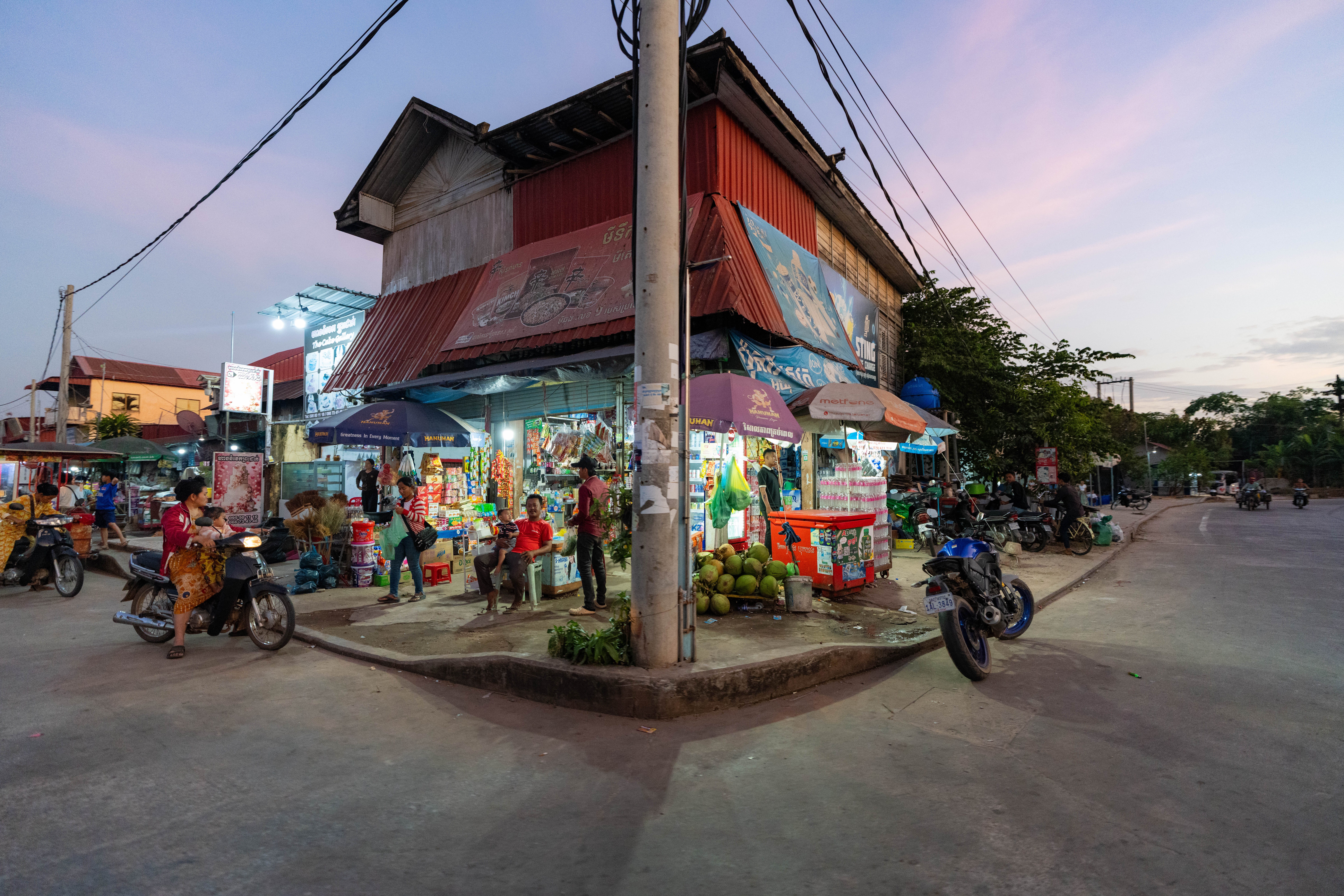
Then Cambodia, based around Siem Reap and the countryside beyond it. Here the difference is not just infrastructure. It is what daily life requires of you.
In rural areas, you take care of everything yourself. Water, food, repairs, work, family, logistics. That simplicity is real, and it can bring a kind of grounded competence that is hard to replicate in a hyper-specialised digital life.
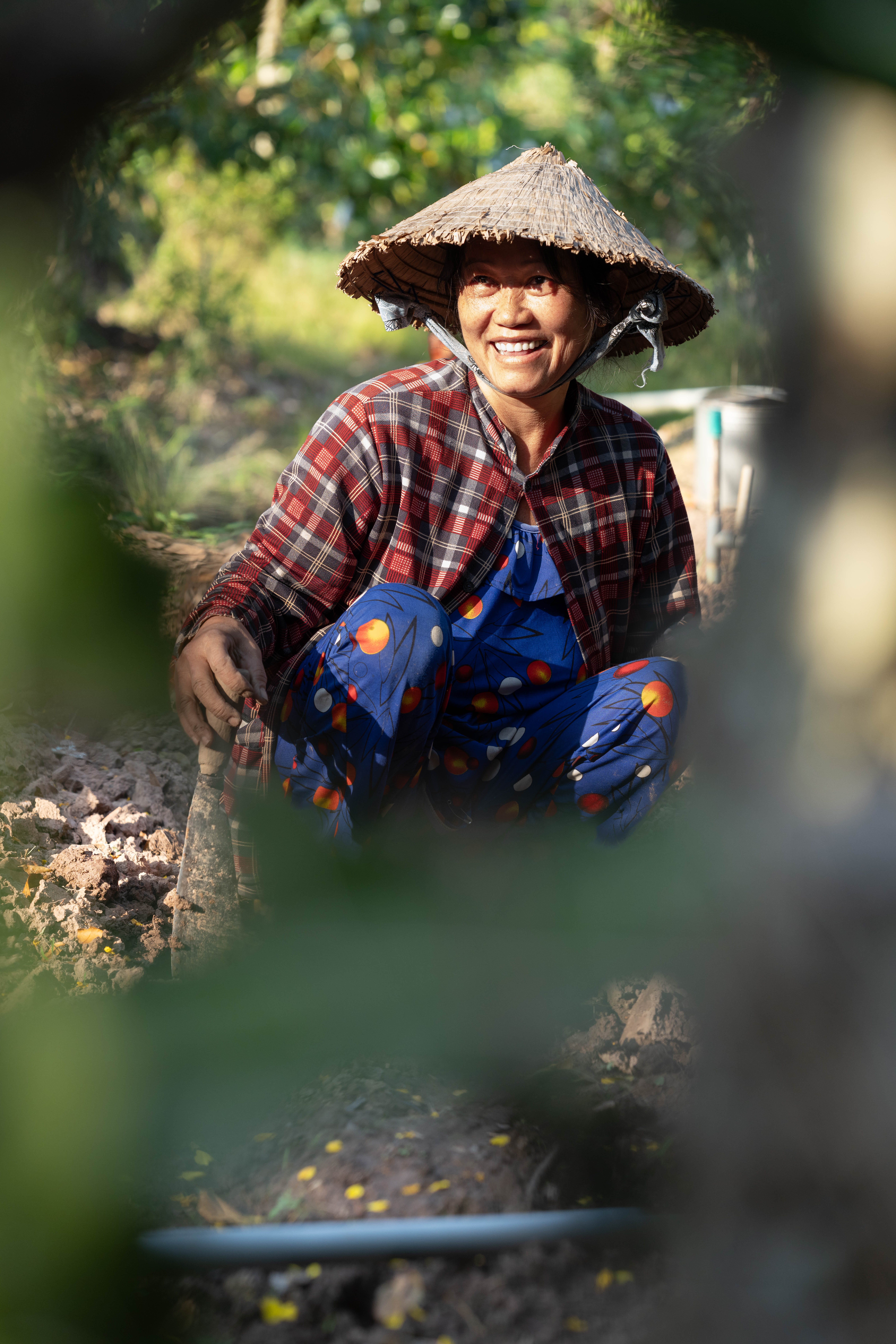
It also comes with struggle. Heat, uncertainty, fewer buffers. Development is not just aspiration, it is relief. People talked openly about corruption too, the sense of potential being slowed by systems that siphon rather than build.
And the history sits there, quietly refusing any simplistic story about “modernity.” The brilliance of the engineers more than a millennium ago, putting water management systems in place that made Angkor possible. The sheer magnificence of Angkor Thom and Angkor Wat is not just beauty. It is proof of capability and long-range thinking.
Between Cambodia and Vietnam, we slowed down properly. We spent three to four days sailing down the Mekong from Phnom Penh to Saigon. River life becomes a moving cross-section of exposures and culture. The way people live, the way commerce flows, the way the language and the food shift. We took trips off the boat onto local islands to meet families and farmers, and to see daily routines up close. It felt like a transition in real time.
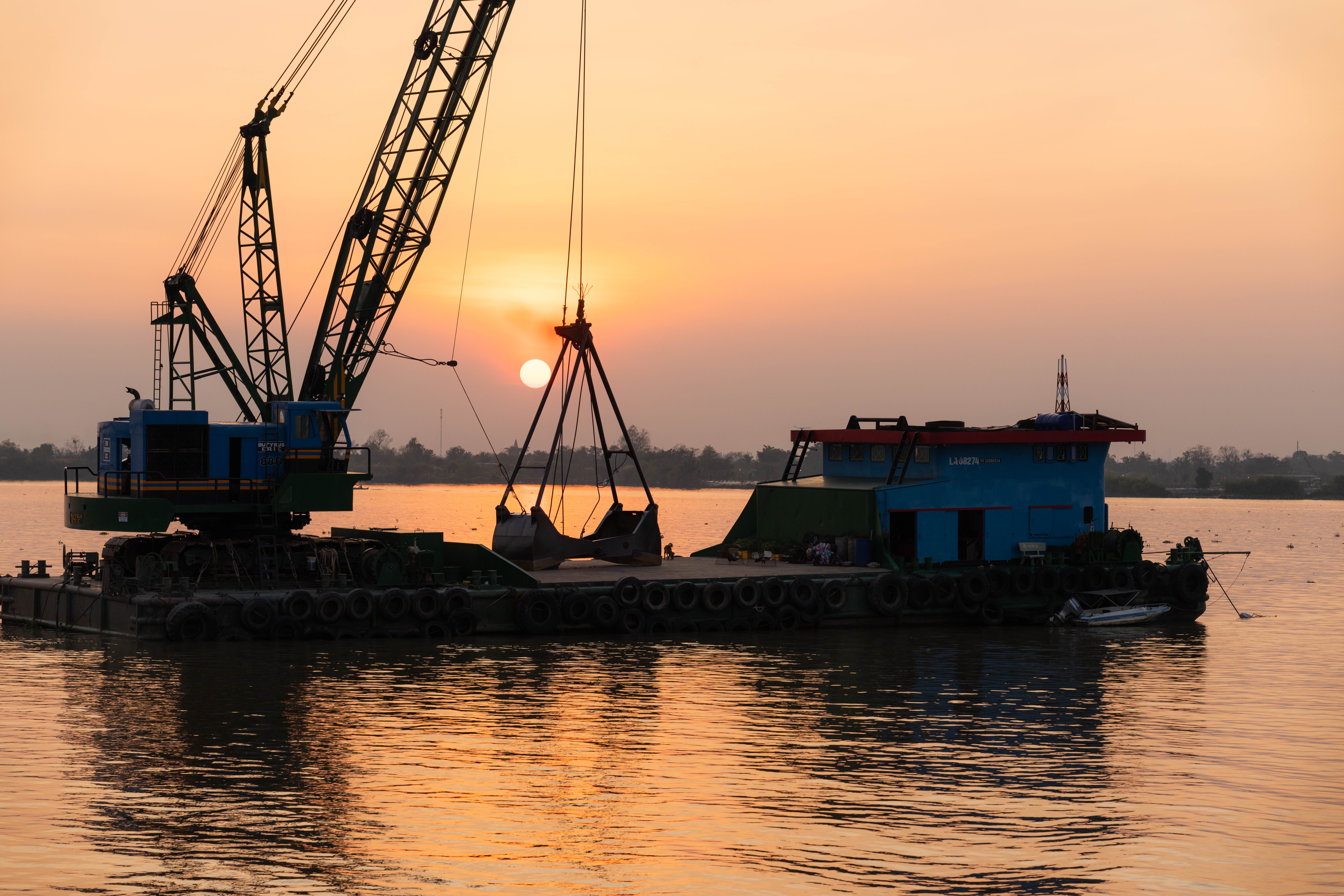
Finally Vietnam. Dense, kinetic, slightly chaotic in the best way. A country in motion, with momentum you can feel. Street life, markets, scooters, construction, commerce. People spoke about corruption here too, but with a different tone. Less resignation, more sense that things are moving, improving, tightening.
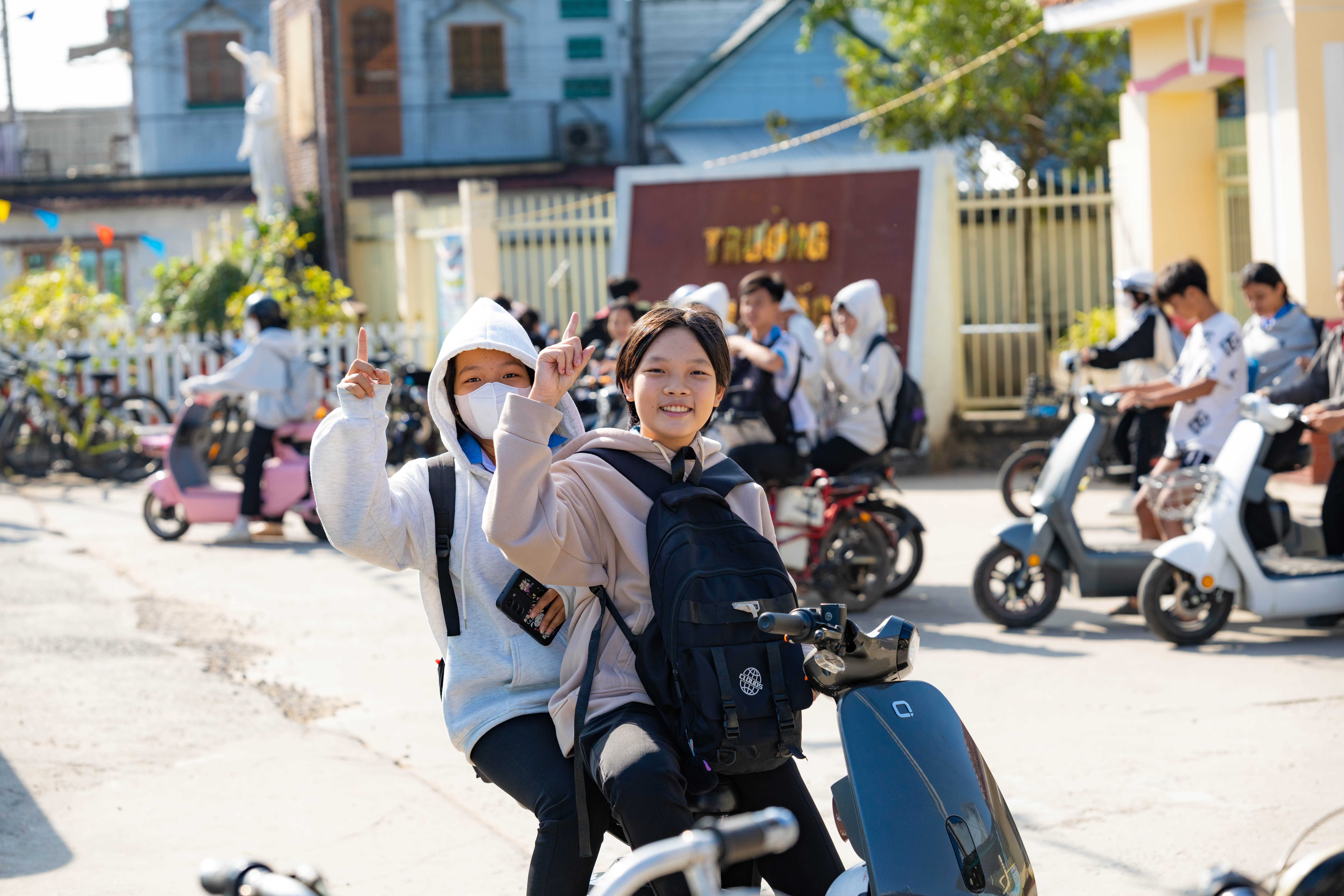
These countries sit side by side, but they live in different metabolic eras.
And IBD incidence follows development curves, not borders.
3. Diet is part of the story, but it is not the whole story
We did talk about diet, constantly. Not usually as “IBD diet.” More as an entry point into everything else.
Food reveals refrigeration. Refrigeration reveals electricity. Electricity changes what people can store, what they can buy, what is available at night, how supermarkets arrive, how snacking culture appears, how ultra-processed food becomes normal.
In Cambodian villages there is an electricity paradox. It is there, but it is too expensive for many to use beyond basic light at night. Air con for a month can cost $100 to $200, completely unaffordable for most.
Ultra-processed food is not just a dietary exposure. It is a cultural one.
So are antibiotics. Access, misuse, expectation. People mentioned them casually, as tools you reach for. Traditional medicine came up too, not as folklore, but as a parallel system with its own logic and history. The more you listen, the more you realise that “health behaviours” are not behaviours. They are culture and constraint.

One repeated theme, especially in Cambodia and Vietnam, was metabolic disease. Diabetes and obesity in particular, across all ages, especially in the cities. Again, Singapore is the outlier.
IBD is still relatively uncommon in many of these settings, but you can sense where the curve is heading. These are stage 2 countries, in the acceleration phase. Cambodia feels like it is only just entering it.
What I kept thinking was not “what should they do.” It was “what did we normalise without noticing.”
4. Movement, work, and the loss of life skills
In the UK, we try to repair a sedentary system with an hour in the gym. We compartmentalise movement as “exercise,” something you schedule to compensate for the rest of the day.
In much of Southeast Asia, movement is not an activity. It is the background.
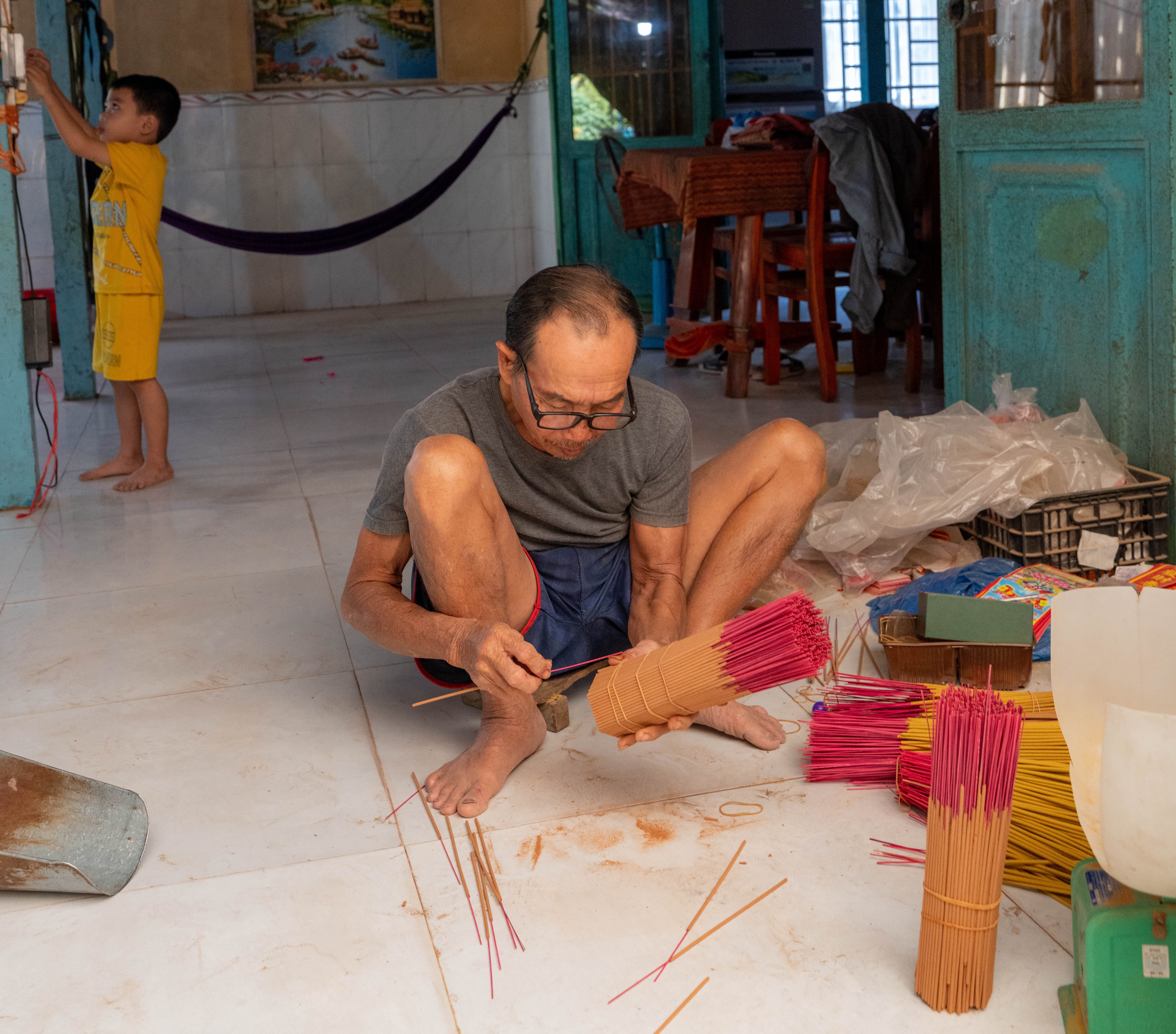
In rural Cambodia, nobody “exercises”. They move.
Walking, carrying, lifting, standing, squatting, tending, trading. Daily life has load built into it. Not as virtue, as necessity.
The other contrast is subtler, and it stayed with me. When you have to take care of everything yourself, you retain competence. Practical life skills are not hobbies, they are inheritance. In the modern Western urban experience, we outsource almost everything. Convenience is real, but the trade-off can be a strange fragility. Digital life, loneliness, depression, and hard work that never quite ends.
Not a moral judgement. Just a contrast you can feel when you move between systems.
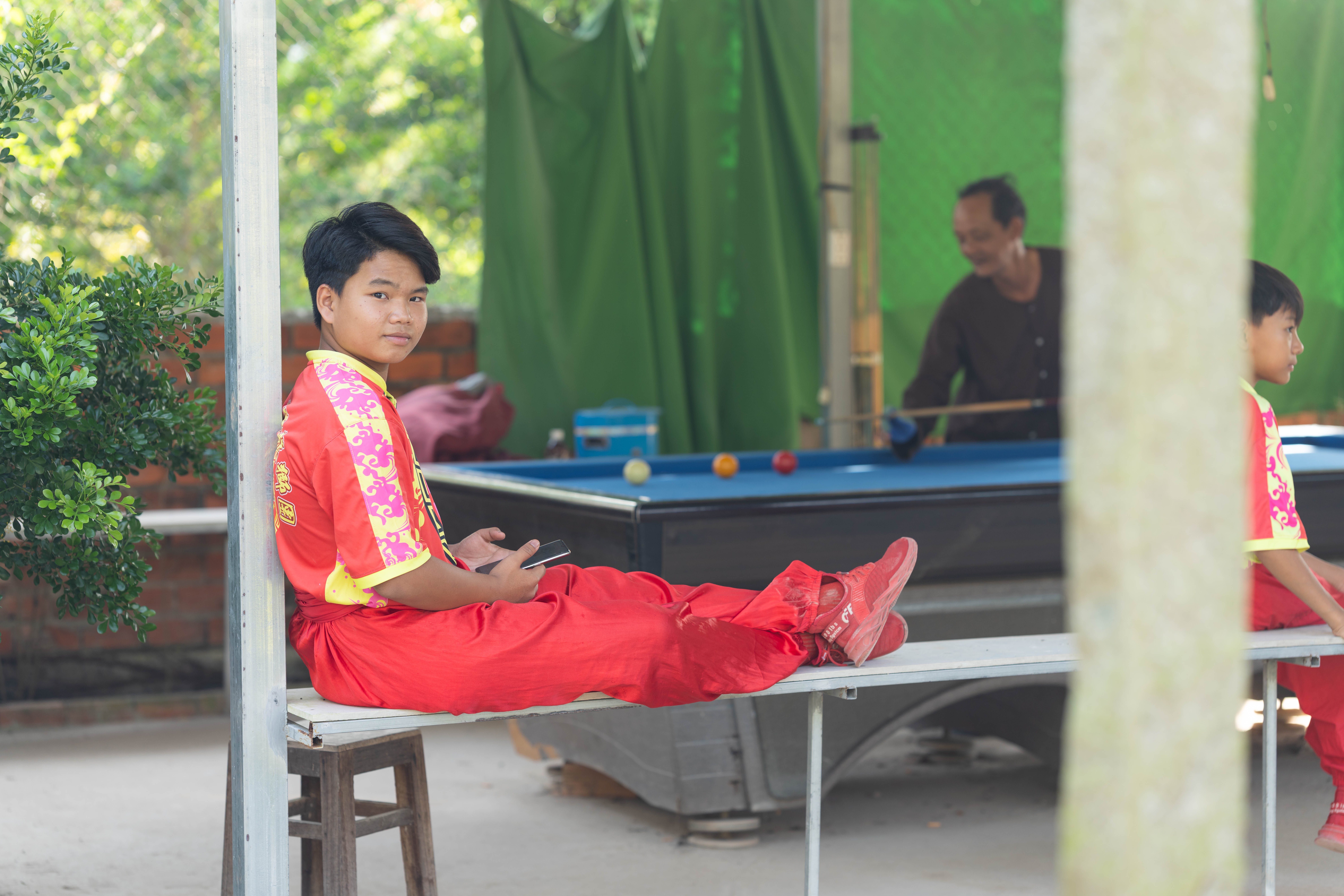
5. Why this matters for IBD
IBD is not just immune dysregulation. It is the biological cost of modern life, expressed through an immune system that evolved for a different world.
That line can be abused if it becomes a single-cause story, so I mean it carefully. IBD is heterogeneous. Genetics matters. Treatment matters. Social determinants matter. Access to care matters. But it is increasingly hard to look at the global pattern, and at the lived mechanics of urbanisation, and pretend environment is a side issue.
This trip also included work.
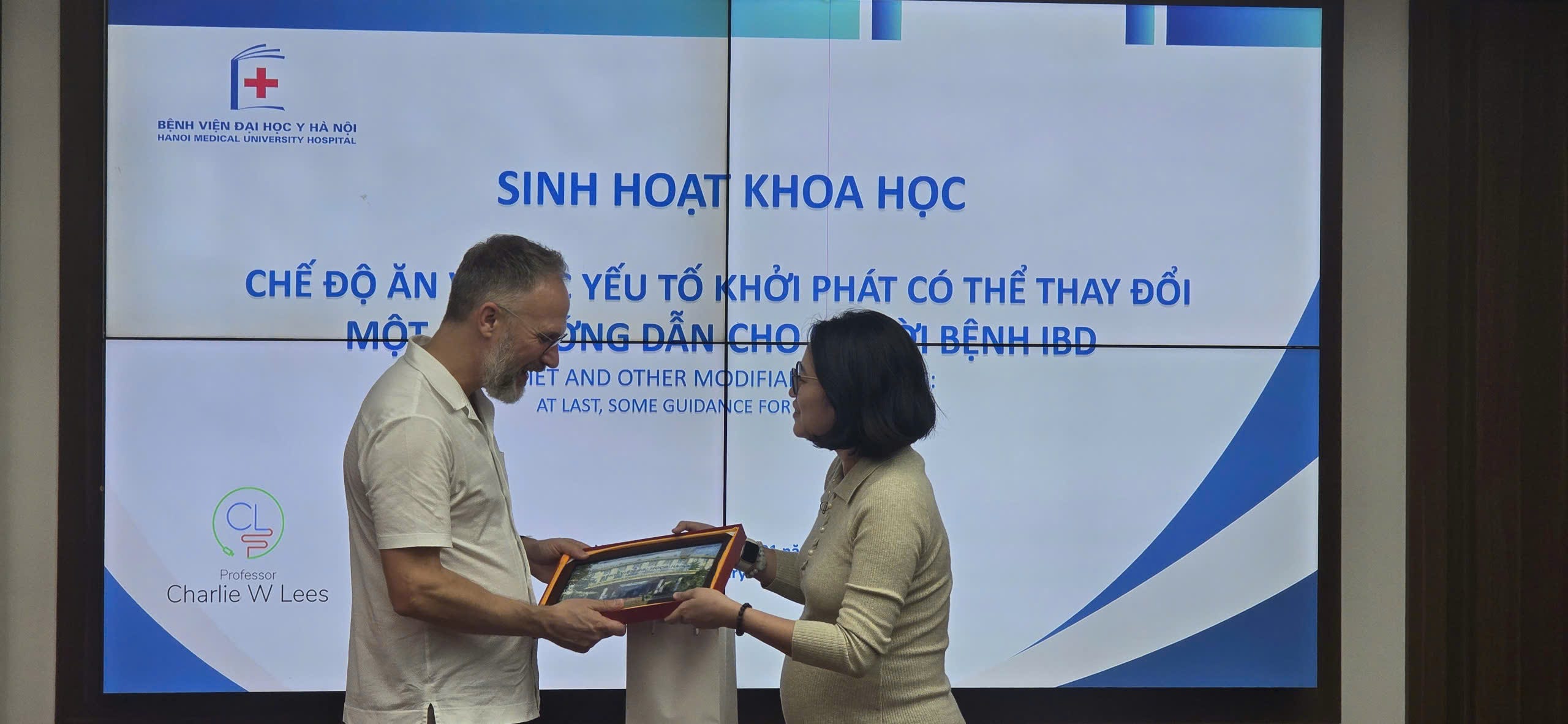
In Hanoi University Hospital, I gave a seminar on diet and IBD, and spent time with Dr Hang Viet. Back in Singapore, I had a stimulating roundtable discussion with CJ Oi and colleagues.
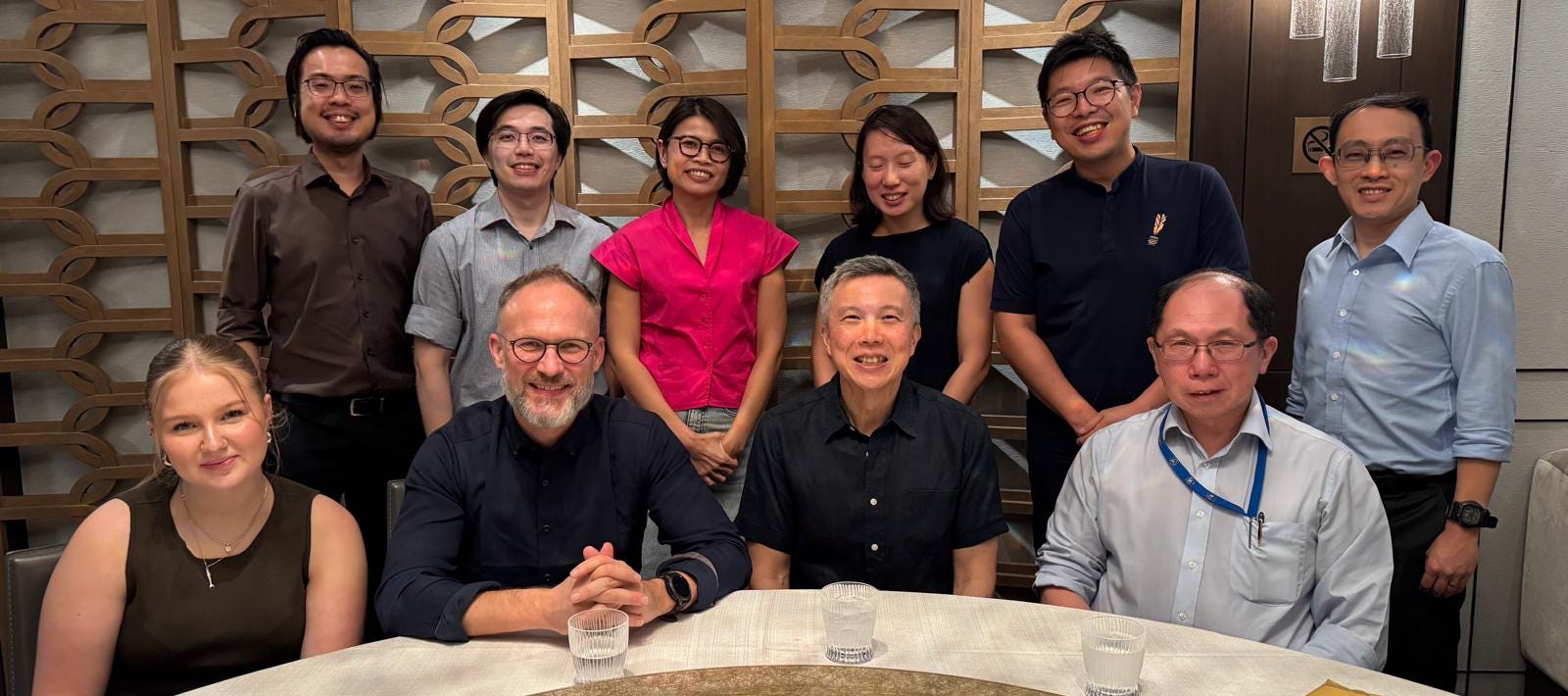
One clear theme is that Vietnam is changing fast, and the epidemiology will change with it. I will write a follow-up post specifically on Vietnam, with a deeper dive into the data, the environment, and the shifts over time.
And a flag here too. The PREdiCCt paper is out in Gut on Tuesday, with an accompanying blog post here.
The human thread
I travelled with Holly, who turns 21 in two months. I turn 50 in one.
We settled into a really good rhythm together, having not spent this much time side by side for a long time. I am back to work properly on Monday. She is back to university, forensic psychology.
Cameron chose to stay behind, instead visiting a friend in freezing Stockholm during the university break. History and politics. A very different kind of field trip.
Travel does not give answers. It sharpens questions.
This region has also left me with a growing list. Malaysia, Indonesia and Thailand next, I hope. Back to China. More of India. South America, where I still need to tell the stories from last summer. And Africa too. I keep thinking about Nigeria, and what is changing there, and how fast.
IBD is global. Our thinking needs to be too.
Cracking read! Travel, family, work, health. Learned a lot and loved the photos too. Bravo Charlie 👏
Really interesting article! If you look to India, they are a step ahead of Vietnam and Cambodia. Westernisation has taken off in the middle class and you can see it in the diets and lifestyles. Gone are the days when you would be doing strenuous housework all day. Instead, sedentary jobs have taken over. This goes in hand with foods from supermarket shelves which are processed with emulsifiers and additives. The trade off is that we see India's economy growing and shining, but at the cost of health and traditional lifestyles.